
On August 4, 1911, Baylis corresponded with the British and Foreign Bible Society (BFBS) regarding Dennis’s arrival in England, during which Dennis brought with him part of the Union Ibo Old Testament.
On October 12, Dennis wrote from Bournemouth to the BFBS on behalf of the Niger Mission, requesting an Onitsha edition of the Union Version of the Bible. Minor changes had already been agreed upon to ensure compatibility with the upper regions of Igbo country. The proposed edition was intended to serve as the standard text for schools in Onitsha, while the existing Union Version would continue in use elsewhere. Dennis noted that demand appeared sufficient to justify two editions and outlined the specific adaptations required for the Onitsha dialect.
Dennis emphasized the favorable reception the current Union Version had received among local Christians and explained that a tailored edition would help Onitsha readers transition more easily. The BFBS, however, concluded that the case for a separate Onitsha edition was not strong enough and expressed concern that such an adaptation might hinder broader acceptance of the Union Version, despite acknowledging Dennis’s fair presentation of the Niger Executive Committee’s request.
Sales figures from 1911 showed that only 452 copies of the Union Version were sold, with many distributed free of charge, while 956 copies of the Onitsha Version were sold at a higher price. This response indicated that the Union Version had not gained strong acceptance among readers in Onitsha. Dennis and the Executive Committee therefore concluded that producing an Onitsha-adapted version was the most effective way to increase acceptance of the Union Version, noting that the older Onitsha Version remained the primary school text in the area.
Dennis also questioned the authority of a critic of the Union Version, likely Basden. Drawing on his experience in both Onitsha and Owerri and his connections with multiple organizations, Dennis offered a broader perspective than missionaries whose work was limited to Onitsha.
On April 28, Baylis again contacted the BFBS to raise the possibility of producing an adapted Onitsha version of the Union Ibo New Testament and Pentateuch. He expressed concern that if the Niger Mission’s request were disregarded, missionaries might revert to the older edition, undermining the Union Version. Although dissatisfied with the position of the Niger Executive Committee, Baylis believed that adapting the Onitsha edition could significantly improve the Union Version’s prospects.
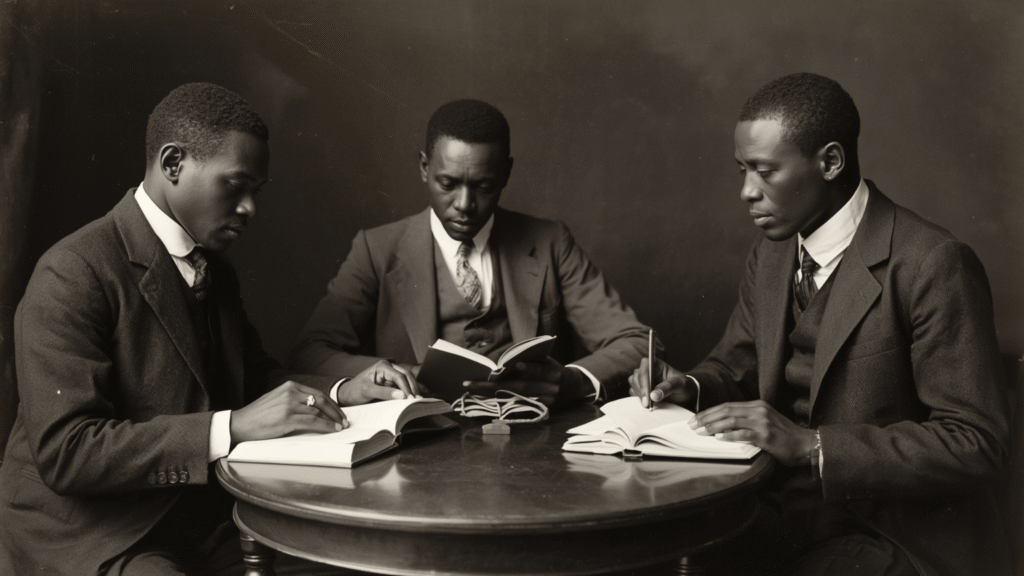
Growing Acceptance of the Union Igbo Bible
The introduction of the new Bible translation met with criticism from individuals accustomed to their own dialects, many of whom remarked, “We understand it, but do not speak that way.” In Onitsha, a widespread belief that the local dialect was distinct from Ibo led to strong opposition to the Union Version.
At the outset, some critics viewed the project as overly ambitious and condemned it without thorough examination. Over time, however, many of these opponents became supporters after assessing the translation on its merits. While a small number continued to resist, even they acknowledged the clarity of the Union Version for a broader Ibo-speaking audience, though they still preferred editions in their own dialect.
Efforts to demonstrate the accessibility of the Union Version to skeptics proved effective. Despite ongoing challenges, acceptance continued to grow. The Bible Society printed the Old Testament and revised the New Testament, resulting in a complete Union Igbo Bible intended for use across Igbo land.
In April 1912, Dennis wrote a detailed article on the Union Bible for WEADM. He described the translation process and the reception of the New Testament, noting that although it had been available for less than two and a half years, all 5,000 copies sold rapidly among a relatively small Ibo-reading population. While devoting most of his time to translating the Old Testament, Dennis also tested the New Testament in various regions and received encouraging responses.
Positive testimonies from fellow missionaries and knowledgeable local readers strengthened Dennis’s confidence in the success of their effort to produce a universally understandable translation. What had once been considered impossible was now achieved, and Dennis attributed this accomplishment to God.